

Introduction
Moving to a new home or office is an exciting experience, but it also comes with the challenge of safely transporting your belongings. Among all items, furniture is often the most difficult to handle because of its size, weight, and value. Whether it is a wooden dining table, a sofa, or delicate antique pieces, ensuring their safety during relocation is essential. This is where understanding how to protect furniture in transit becomes extremely important.
Many people assume that simply loading furniture into a truck is enough, but that is far from true. Without proper preparation, furniture can easily get scratched, broken, or structurally damaged during the journey. Sudden stops, vibrations, and improper stacking can all contribute to costly damage.
Learning how to protect furniture in transit helps you avoid these risks by using the right packing materials, loading techniques, and safety precautions. It not only saves money but also preserves the condition of your valuable items.
In this detailed guide, you will learn practical and easy-to-follow methods to secure your furniture during transport. Whether you are moving locally or long-distance, these strategies will help you ensure everything arrives safely and in perfect condition.
What is How to Protect Furniture in Transit?
How to protect furniture in transit refers to the process of safeguarding household or office furniture from damage while it is being moved from one location to another. This includes proper packing, wrapping, handling, loading, and securing items inside a moving vehicle.
Furniture is highly vulnerable during transportation because it is often bulky and sensitive to impact. Even minor mistakes can lead to scratches, dents, broken joints, or complete structural damage. Therefore, protective measures are essential to maintain its condition.
This process involves using materials such as bubble wrap, moving blankets, plastic covers, and straps. It also includes strategic planning of how items are placed inside the truck to prevent movement and collision.
Understanding how to protect furniture in transit ensures that each piece is treated according to its material and structure. For example, wooden furniture requires protection from moisture, while upholstered items need shielding from dust and tears.
In simple terms, it is a combination of preparation, careful handling, and smart loading techniques designed to keep furniture safe throughout the entire moving journey.
Why is How to Protect Furniture in Transit Important?
Knowing how to protect furniture in transit is important because furniture is often one of the most expensive and emotionally valuable parts of a home. Damage during moving can lead to significant financial loss and unnecessary stress.
One major reason is physical protection. During transit, furniture is exposed to vibrations, sudden braking, and shifting loads. Without proper protection, even strong furniture can get damaged.
Another reason is cost efficiency. Repairing or replacing damaged furniture can be expensive. By using proper protection techniques, you can avoid these extra expenses.
It also ensures better organization during moving. When furniture is properly protected and labeled, loading and unloading become much smoother and faster.
Additionally, it provides peace of mind. Knowing that your belongings are secure allows you to focus on other important aspects of relocation without constant worry.
In short, understanding how to protect furniture in transit is essential for a safe, efficient, and stress-free moving experience.
Detailed Step-by-Step Guide
Step 1: Inspect and Clean Furniture
Before packing, inspect all furniture for existing damage. Cleaning ensures no dust or debris causes scratches during wrapping.
Step 2: Disassemble Large Items
Take apart large furniture like beds, tables, and shelves. This makes transportation easier and reduces the risk of damage.
Step 3: Use Protective Wrapping Materials

Wrap furniture using bubble wrap, moving blankets, or foam sheets. This is a key step in how to protect furniture in transit effectively.
Step 4: Secure Edges and Corners
Pay special attention to corners and edges, as they are most prone to damage. Use extra padding in these areas.
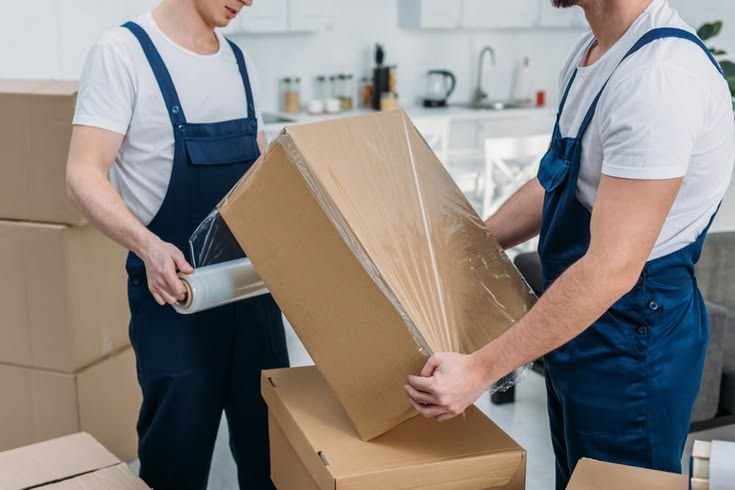
Step 5: Use Stretch Film for Stability
Cover wrapped furniture with stretch film to keep protective layers in place and prevent dust or moisture exposure.
Step 6: Label Fragile Items
Clearly label delicate furniture pieces so movers handle them with extra care.
Step 7: Plan Truck Loading Strategy
Load heavy items first and lighter ones on top. This ensures stability and reduces pressure on fragile furniture.
Step 8: Use Straps to Secure Items
Tie furniture securely inside the truck using straps or ropes to prevent movement during transit.
Step 9: Fill Empty Spaces
Use cushions, blankets, or soft materials to fill gaps and avoid shifting during movement.
Step 10: Final Safety Check
Before departure, double-check all items to ensure everything is secure and properly placed.
Benefits of How to Protect Furniture in Transit
- Prevents scratches, dents, and structural damage
- Reduces repair and replacement costs
- Ensures safe and efficient transportation
- Improves organization during moving
- Provides peace of mind throughout the process
- Protects valuable and sentimental furniture
- Makes loading and unloading easier
- Reduces risk of accidents during transit
Disadvantages / Risks
- Requires extra time for packing and preparation
- Increases cost due to materials like bubble wrap and blankets
- Needs careful planning and effort
- Improper techniques may still result in damage
- Can be challenging for beginners without experience
Common Mistakes to Avoid
One common mistake is skipping proper wrapping. Many people assume furniture is strong enough, but even small scratches can cause damage.
Another mistake is overloading the moving truck. This increases pressure on furniture and raises the risk of breakage.
Failing to disassemble large items is also a problem. It makes transportation harder and less safe.
Ignoring proper labeling can lead to careless handling of fragile pieces.
Lastly, not securing items inside the truck is a major risk that often results in movement-related damage.
FAQs
1. What is the best material to protect furniture in transit?
The best materials include bubble wrap, moving blankets, foam sheets, and stretch film. These provide cushioning and protection against impact.
2. Should I disassemble furniture before moving?
Yes, disassembling large furniture makes it easier to transport and reduces the risk of damage.
3. How do I protect wooden furniture during transit?
Use blankets and bubble wrap to prevent scratches and protect against moisture exposure.
4. Can furniture get damaged even if wrapped properly?
Yes, improper loading or stacking can still cause damage, so both packing and handling are important.
5. Is professional help necessary for furniture protection?
While not mandatory, professional movers can provide better safety and efficiency, especially for large or valuable items.
6. How do I prevent furniture from moving inside the truck?
Use straps, ropes, and padding materials to secure items and fill empty spaces.
Expert Tips & Bonus Points
Always use high-quality packing materials to ensure maximum protection.
Take photos of furniture before moving for insurance and reference purposes.
Avoid dragging furniture during loading to prevent scratches.
Keep small hardware like screws and bolts in labeled bags.
Use corner protectors for additional safety.
Plan your loading strategy in advance instead of rushing on moving day.
Conclusion
Understanding how to protect furniture in transit is essential for anyone planning a move. Furniture is often one of the most valuable and delicate parts of a household, and without proper care, it can easily get damaged during transportation.
By following the right steps such as cleaning, disassembling, wrapping, and securing furniture, you can significantly reduce the risk of damage. Proper planning and attention to detail make the entire moving process smoother and more efficient.
Although it may require extra time and effort, the benefits of protecting your furniture far outweigh the challenges. It saves money, reduces stress, and ensures your belongings arrive safely at your new home.
In the end, successful relocation is not just about moving items from one place to another. It is about ensuring everything arrives in the same condition it left. With the right approach to how to protect furniture in transit, you can achieve a safe, organized, and worry-free moving experience.
