

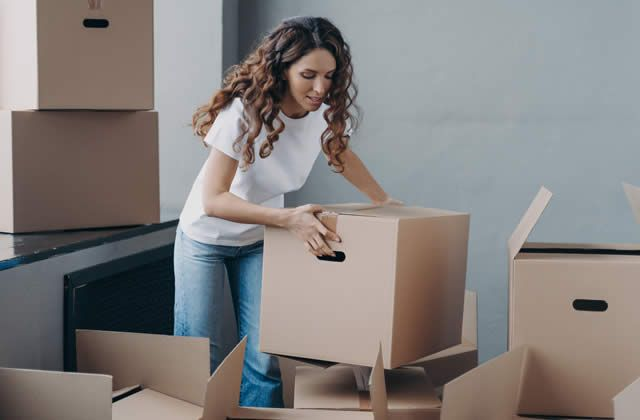
How to Label Moving Bo
Introduction
Moving to a new home or office can feel overwhelming, especially when dozens of boxes are involved. Without a proper system, unpacking becomes chaotic and time-consuming. This is where learning how to label moving boxes efficiently makes a major difference. A clear labeling system helps you identify items quickly, organize rooms effectively, and reduce the stress that comes with relocation. For anyone planning a move, whether small or large, having a structured labeling method can save hours of confusion later. Rana Sahab, this guide is designed to help you understand simple yet highly effective techniques that make your moving process smooth and organized.
When boxes are labeled correctly, you don’t need to open each one to find essentials. Instead, you already know what is inside and where it belongs. This not only speeds up unpacking but also protects fragile items and reduces damage risks. In this article, you will learn a complete step-by-step system for labeling moving boxes efficiently, along with expert strategies, benefits, common mistakes, and practical FAQs to guide you through the entire process.
What is Labeling Moving Boxes Efficiently?
Labeling moving boxes efficiently means organizing and marking each box in a clear, structured, and consistent way so that its contents and destination are easily identifiable during and after the move. It involves using labels, codes, colors, or categories that help you quickly understand what is inside each box without opening it.
This system usually includes writing the room name, item category, and sometimes a short description of the contents. Some people also add numbering systems or color-coded stickers to improve clarity. The main goal is to reduce confusion during unpacking and ensure everything reaches the correct place in the new location.
Efficient labeling is not just about writing on boxes; it is about creating a system that works for your entire moving process from packing to unpacking.
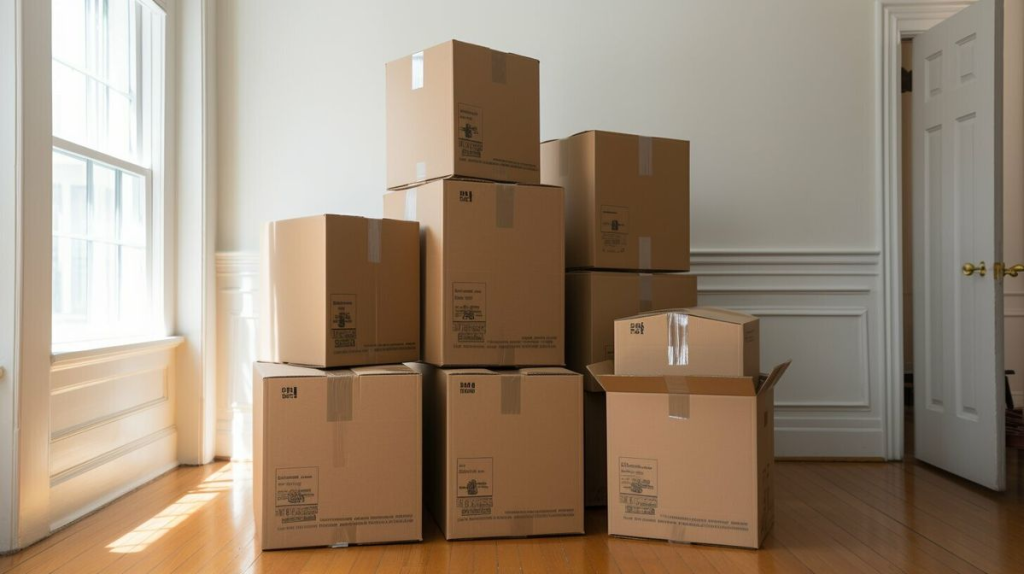
Labeling moving boxes is one of the most important steps in any relocation process. Without it, even a well-packed move can turn into a confusing and stressful experience. Proper labeling helps you stay organized from start to finish.
One major reason it is important is time efficiency. When every box is clearly labeled, you don’t waste time searching for items. Instead, you immediately know where things belong.
Another reason is damage prevention. Fragile items can be marked clearly, ensuring they are handled with care during transport. This reduces the risk of breakage or loss.
It also improves unpacking speed. Instead of opening random boxes, you can directly place them in the correct rooms. This makes settling into your new place much faster.
Lastly, it reduces stress. Moving is already tiring, and a good labeling system brings structure and peace of mind to the entire process.
Detailed Step-by-Step Guide to Label Moving Boxes Efficiently
Step 1: Gather Proper Labeling Materials
Before you start packing, collect all necessary materials such as markers, colored stickers, tape, and labels. Having everything ready ensures consistency throughout the process.
Step 2: Categorize Your Items
Divide your belongings into categories like kitchen, bedroom, bathroom, and office. This helps you assign each box to a specific area, making unpacking easier later.
Step 3: Label by Room Name Clearly
Write the destination room on the top and sides of each box. For example, “Kitchen” or “Master Bedroom.” This allows movers to place boxes in the correct location immediately.
Step 4: Add Content Description
Include a short description of what is inside each box. For example, “Kitchen – utensils and plates” or “Bedroom – winter clothes.” This helps you locate items quickly.
Step 5: Use a Numbering System
Assign numbers to boxes within each category. For example, Kitchen Box 1, Kitchen Box 2. You can also maintain a list to track what each number contains.
Step 6: Apply Color Coding
Use different colored stickers for each room. For example, blue for kitchen, green for bedroom, and red for living room. This visual system makes identification even faster.
Step 7: Mark Fragile Items Clearly
Always label fragile items with bold markings. Write “FRAGILE” on multiple sides of the box so handlers know to be extra careful.
Benefits of Labeling Moving Boxes Efficiently
- Saves time during unpacking and setup
- Reduces confusion and misplaced items
- Improves organization throughout the moving process
- Helps movers handle items more carefully
- Prevents damage to fragile belongings
- Makes it easier to prioritize essential boxes first
- Creates a structured moving system from start to finish
Disadvantages / Risks of Poor Labeling
- Increased chances of losing important items
- Longer unpacking time and confusion
- Higher risk of damage to fragile goods
- Difficulty in identifying essential items quickly
- Stressful and disorganized moving experience
- Extra effort required to sort items after arrival
Common Mistakes to Avoid
One common mistake is using unclear or incomplete labels. Writing vague descriptions like “stuff” or “items” does not help during unpacking.
Another mistake is not labeling all sides of the box. Boxes can be stacked in different directions, so labels should be visible from multiple angles.
People also forget to label fragile items properly, which leads to breakage during transport.
Using inconsistent systems is another issue. Mixing colors, numbers, and categories without structure creates confusion instead of clarity.
Finally, delaying labeling until the end of packing often results in rushed and messy organization.
FAQs
1. What is the best way to label moving boxes?
The best way is to use a combination of room names, short descriptions, and color coding. This ensures clear identification and faster unpacking.
2. Should I label boxes on the top or sides?
You should label both the top and at least two sides so the information is visible no matter how the box is placed.
3. Is color coding necessary for labeling boxes?
While not mandatory, color coding significantly improves organization and helps quickly identify boxes belonging to different rooms.
4. How do I label fragile items properly?
Use bold writing such as “FRAGILE” and place it on multiple sides of the box. You can also add arrows indicating correct positioning.
5. Can I reuse old boxes for moving?
Yes, but make sure to remove old labels and markings before applying new ones to avoid confusion during unpacking.
6. What should I write on essential boxes?
Essential boxes should be labeled as “Open First” and include daily-use items like toiletries, chargers, basic utensils, and important documents.
Expert Tips & Bonus Points
Always pack and label one room at a time to avoid mixing items. This keeps your system clean and easy to manage.
Keep a master list of all numbered boxes for quick reference during unpacking.
Use waterproof markers or labels to ensure visibility even if boxes are exposed to moisture.
Pack essential items separately and clearly mark them so you can access them immediately after moving.
Try to keep labeling consistent from the beginning of packing to the end to maintain clarity.
Conclusion
Labeling moving boxes efficiently is one of the most important steps in ensuring a smooth and stress-free relocation. A well-structured labeling system saves time, reduces confusion, and helps protect your belongings during transit. When each box is clearly marked with its room, contents, and handling instructions, the entire moving process becomes more manageable and organized.
Rana Sahab, by following a simple system of room-based labeling, color coding, and clear descriptions, you can eliminate much of the stress associated with moving. It not only helps during transportation but also makes unpacking faster and more efficient once you reach your new space.
Whether you are moving a small apartment or a large house, applying these techniques will give you better control over your belongings and reduce unnecessary hassle. A little effort in labeling can save you a great deal of time and confusion later, making your relocation experience far more comfortable and structured.
