


Introduction
Moving to a new home can be both exciting and stressful at the same time. One of the biggest challenges people face during relocation is figuring out how to store furniture during a move safely and efficiently. Whether you are downsizing, waiting for your new place to be ready, or simply need extra space, proper furniture storage is essential.
Many people underestimate the importance of storing furniture correctly. Without proper preparation, furniture can get scratched, damaged, or even ruined due to moisture and poor handling. This can lead to unnecessary expenses and frustration.
Understanding how to store furniture during a move helps you protect your valuable items and ensures they remain in good condition. From disassembling large pieces to choosing the right storage unit, every step plays a crucial role.
In this guide, you will learn everything you need to know about how to store furniture during a move. The process will be broken down into simple steps so that beginners and intermediate users can follow easily and confidently.
What is How to Store Furniture During a Move?
How to store furniture during a move refers to the process of preparing, packing, protecting, and placing furniture in a safe storage space while relocating. This includes using proper materials, techniques, and storage solutions to prevent damage.
It involves several steps such as cleaning furniture, disassembling large items, wrapping delicate surfaces, and organizing items in a storage unit. Each step ensures that your furniture remains secure throughout the moving process.
For example, wooden furniture needs protection from moisture, while upholstered items require proper covering to prevent dust and stains. By following the correct methods, you can keep your furniture in excellent condition.
In simple terms, learning how to store furniture during a move helps you manage your belongings effectively and avoid unnecessary damage or loss.
Why is How to Store Furniture During a Move Important?
Understanding how to store furniture during a move is important because it protects your investment. Furniture is often expensive, and replacing damaged items can be costly.
First, proper storage prevents physical damage such as scratches, dents, and breakage. This is especially important for fragile or antique items.
Second, it helps maintain the quality of your furniture. Exposure to moisture, heat, or dust can affect materials like wood, leather, and fabric.
Additionally, organized storage saves space and makes it easier to unpack later. When items are stored correctly, you can quickly locate and reassemble them.
Moreover, it reduces stress during the moving process. Knowing that your furniture is सुरक्षित gives you peace of mind.
Overall, learning how to store furniture during a move ensures a smoother and more efficient relocation experience.
Detailed Step-by-Step Guide
Step 1: Clean Your Furniture
Before storing, clean all furniture thoroughly. Dust, dirt, and stains can cause long-term damage if left untreated.
Use appropriate cleaning methods based on the material. For example, use wood cleaners for wooden items and fabric cleaners for upholstery.
Step 2: Disassemble Large Items
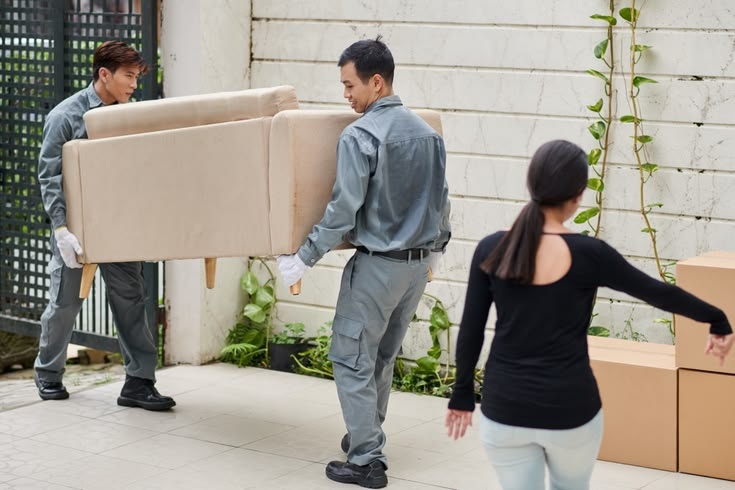
Break down large furniture pieces such as beds, tables, and shelves. This makes them easier to transport and store.
Keep screws and small parts in labeled bags to avoid losing them.
Step 3: Use Protective Materials
Wrap furniture using protective materials such as:
- Moving blankets
- Bubble wrap
- Plastic covers
- Foam padding
This prevents scratches and damage during handling.
Step 4: Choose the Right Storage Unit
Select a storage unit that suits your needs. Consider factors such as:
- Size
- Security
- Climate control
Climate-controlled units are ideal for sensitive items.
Step 5: Elevate Furniture from the Floor
Place furniture on pallets or wooden blocks to keep it off the ground. This protects it from moisture and water damage.
Step 6: Cover Furniture Properly
Use breathable covers instead of plastic for long-term storage. This prevents mold and mildew.
Step 7: Arrange Items Strategically
Place heavy items at the bottom and lighter items on top. Leave space for airflow and easy access.
Step 8: Label Everything
Label all items clearly. This makes it easier to find specific pieces when needed.
Step 9: Avoid Overloading
Do not stack too many items on top of each other. This can cause damage and make retrieval difficult.
Step 10: Check Storage Conditions Regularly
If possible, visit your storage unit occasionally to ensure everything remains in good condition.
Benefits of How to Store Furniture During a Move
- Protects furniture from damage
- Maintains quality and durability
- Saves space during relocation
- Makes unpacking easier
- Reduces stress during moving
- Prevents moisture and dust damage
- Helps organize belongings efficiently
- Extends the lifespan of furniture
Disadvantages / Risks
- Requires time and effort
- Additional cost for storage units
- Risk of improper packing
- Potential damage if not handled carefully
- Limited access to stored items
- Need for regular monitoring
Common Mistakes to Avoid
One common mistake is not cleaning furniture before storage. Dirt and stains can become permanent over time.
Another mistake is using plastic wrap for long-term storage. This can trap moisture and cause mold.
Many people also forget to disassemble large items. This increases the risk of damage and takes up more space.
Overloading storage units is another issue. It can lead to broken furniture and difficulty accessing items.
Additionally, ignoring climate control can damage sensitive materials like wood and leather.
Finally, not labeling items can make unpacking confusing and time-consuming.
FAQs
How long can I store furniture safely?
Furniture can be stored for months or even years if properly packed and placed in a suitable storage unit.
Do I need a climate-controlled storage unit?
Climate-controlled units are recommended for delicate items like wood, leather, and electronics.
Can I store furniture without disassembling it?
It is possible, but disassembling large items saves space and reduces the risk of damage.
What is the best way to protect wooden furniture?
Clean it, wrap it in moving blankets, and store it in a dry environment.
How do I prevent mold in storage?
Use breathable covers, keep items elevated, and choose a well-ventilated storage unit.
Should I cover furniture in storage?
Yes, covering furniture protects it from dust and damage. Use breathable materials for long-term storage.
Expert Tips & Bonus Points
Use silica gel or moisture absorbers to prevent humidity damage.
Take photos of furniture before disassembling it. This helps during reassembly.
Keep frequently used items near the front of the storage unit.
Use high-quality packing materials for better protection.
Avoid storing food or liquids near furniture.
Plan your storage layout in advance to maximize space.
Conclusion
Learning how to store furniture during a move is essential for protecting your belongings and ensuring a smooth relocation process. Proper preparation, packing, and storage techniques can make a significant difference in maintaining the condition of your furniture.
Throughout this guide, you have learned the importance of cleaning, disassembling, and protecting furniture before storage. You have also explored how to choose the right storage unit and organize items effectively.
Consistency and attention to detail are key when it comes to furniture storage. Taking the time to follow these steps can save you from costly repairs or replacements in the future.
Moreover, understanding the risks and avoiding common mistakes helps you store your furniture safely and efficiently.
In conclusion, mastering how to store furniture during a move allows you to protect your investment, reduce stress, and enjoy a hassle-free moving experience.
